
WINDOWS AND ENERGY EFFICIENCY: WHEN IT MAKES SENSE TO REPLACE YOUR FRAMES
16/04/2025
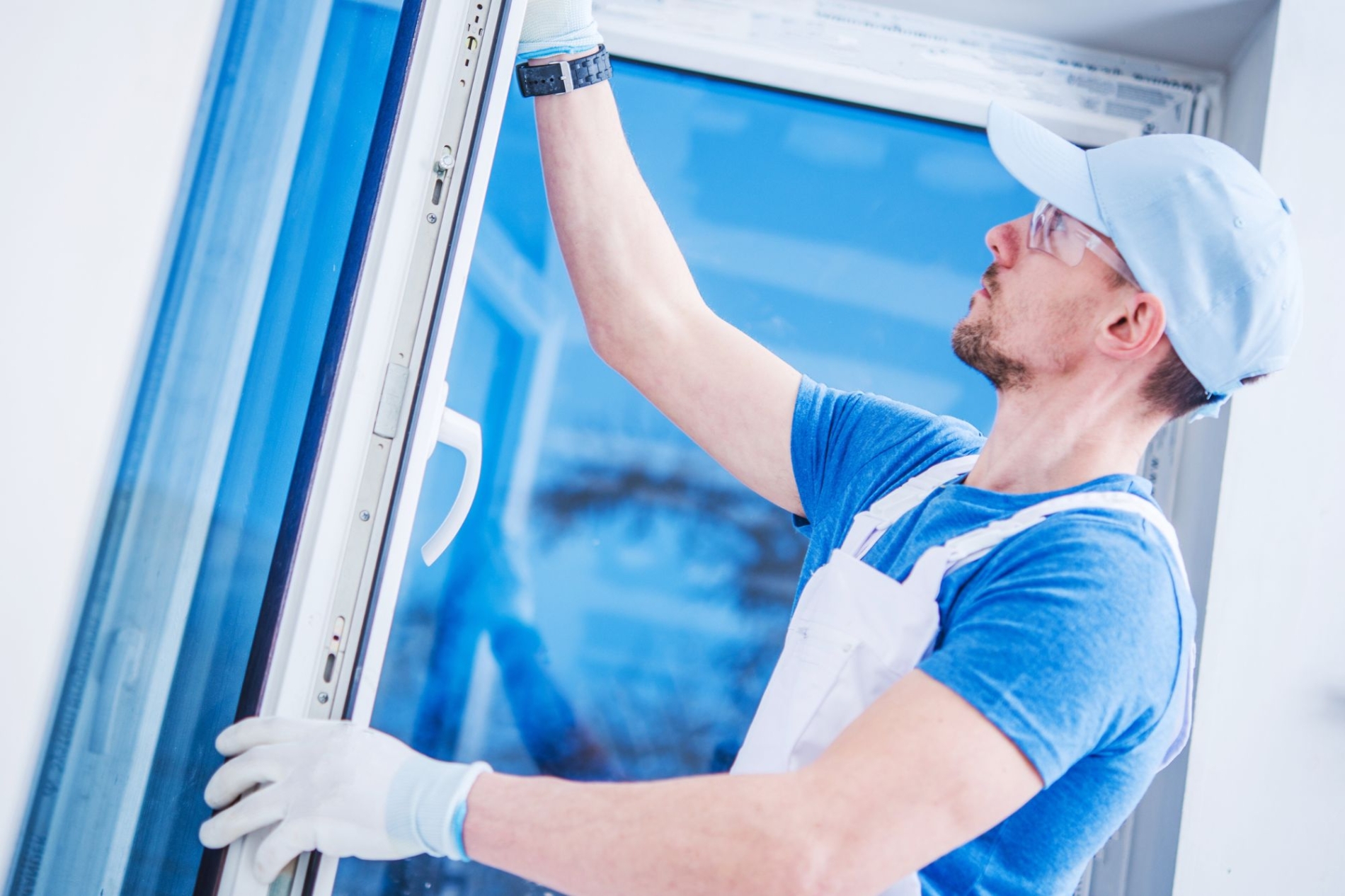
Replacing your windows is one of the most effective ways to improve a building’s energy efficiency. However, understanding when it’s the right time to upgrade, what benefits you can realistically expect in terms of energy savings, and which materials to choose can make the difference between a mere expense and a true investment.
In this article, we explore the key considerations before upgrading to high-performance, energy-efficient windows.
How Windows Influence a Building's Energy Performance
Windows are one of the primary points of thermal loss in a building. In poorly insulated homes, they can account for 25–30% of heat loss during winter and unwanted heat gain in summer. Single glazing, outdated aluminum frames, or worn-out seals fail to provide an effective barrier against outdoor temperatures.
Improving the thermal insulation of your windows means reducing heating and cooling demands, which translates directly into lower energy bills and improved living comfort. For many homes, window replacement is a key step in any broader energy retrofit project.
The Role of Windows in Determining Energy Class
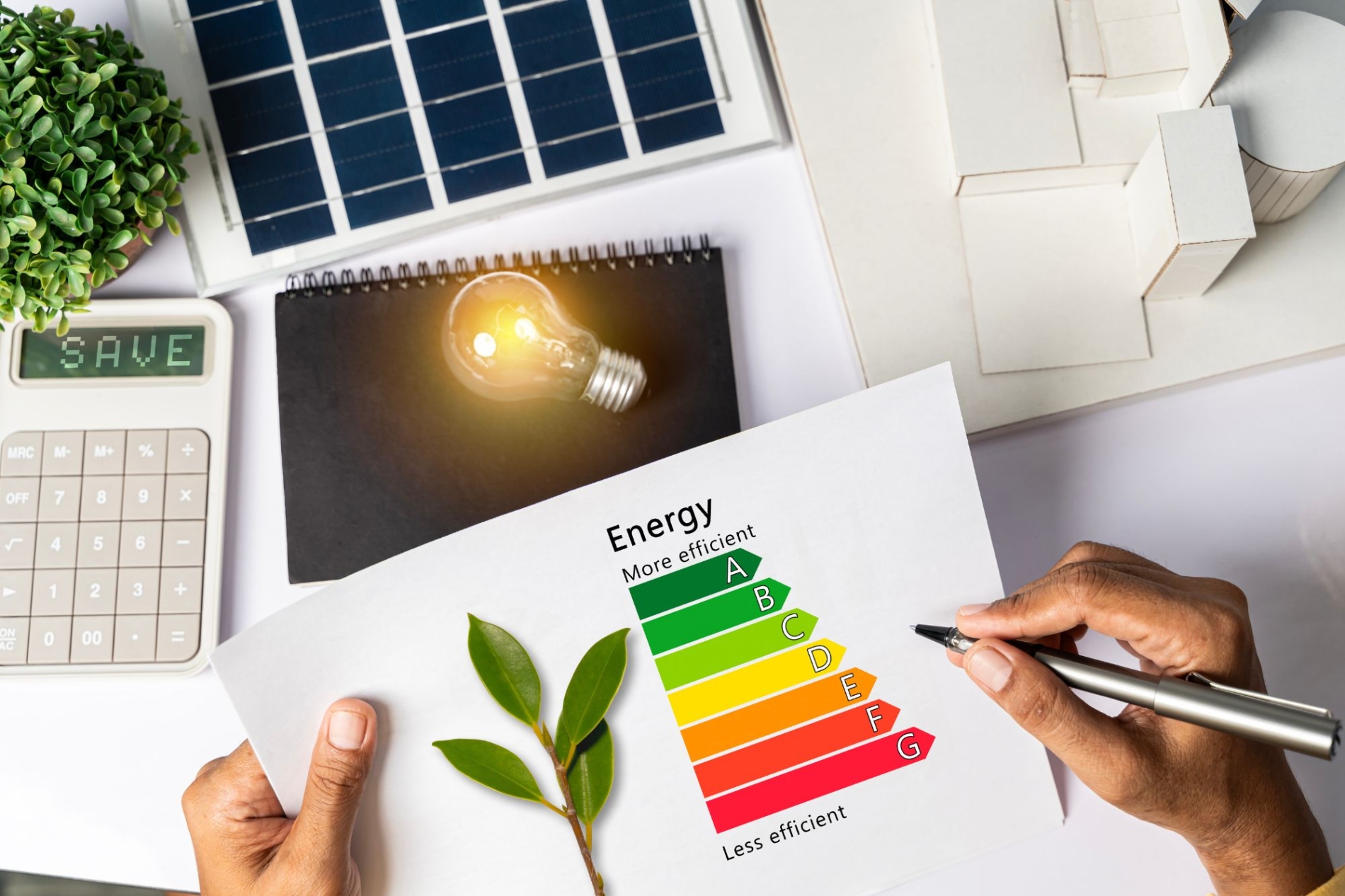
A property’s energy class is calculated using several indicators, including insulation quality, system efficiency, and, crucially, the performance of windows and frames. Windows have a direct impact on how well a building retains or repels heat and thus play a pivotal role in energy class assessments.
In many cases, simply replacing old windows with modern, energy-efficient models can boost a property’s energy class by one or two grades—a significant improvement that increases both energy efficiency and market value.
Recognizing When Replacement Is Necessary
There are a few clear signs that it might be time to replace your windows. Drafts are a major indicator: if you feel air moving even when the window is closed, the seals may be compromised. Other warning signs include condensation between panes, difficulty opening or closing the window, and visible wear and tear on the frame.
Beyond what you can see, the age and overall energy performance of your home are crucial indicators. If you're planning renovations or simply want to upgrade your home's efficiency, replacing old windows should be a top priority. New, high-performance windows are also a strong selling point that can raise a property’s value.
How Frames Contribute to Energy Management
Windows and frames are key elements in a home’s thermal envelope. A quality window system lowers thermal transmittance, limiting heat flow from inside to out in winter and vice versa in summer. This reduces reliance on heating and air conditioning systems, leading to measurable energy savings.
In contrast, old or poorly functioning frames allow significant energy leakage, which undermines home comfort and inflates utility costs.
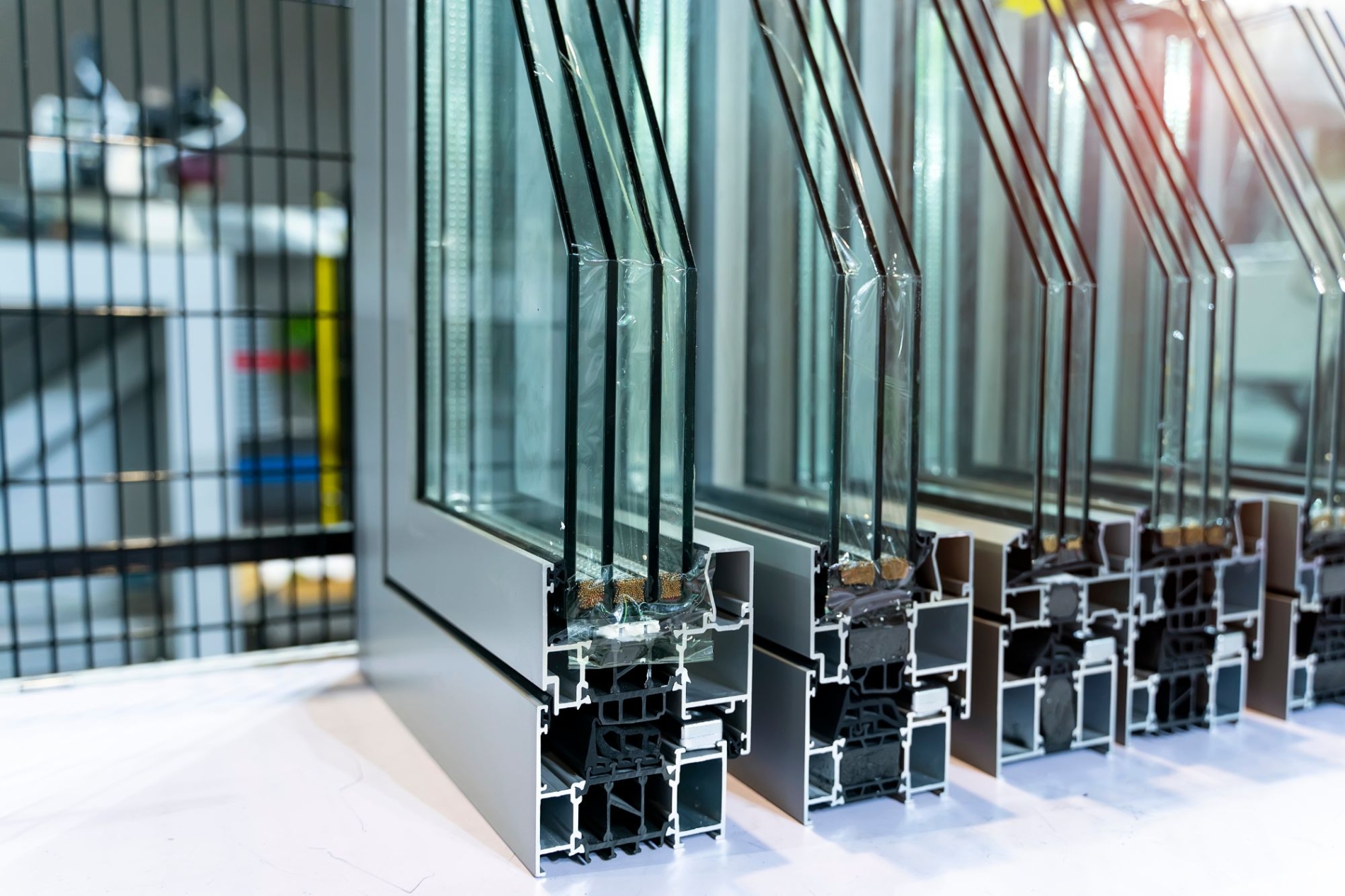
High-efficiency windows are built using insulating materials, double or triple glazing with low-emissivity coatings, and gas-filled cavities—often argon or krypton—between panes. These features help block heat transfer and enhance acoustic insulation.
A key metric is the Uw value, or overall thermal transmittance: the lower the value, the better the insulation. Windows with a Uw below 1.2 W/m²K are considered high performance and can substantially improve a home’s energy rating.
Ideal Materials for Energy Upgrades
To truly enhance your home’s energy class, it’s wise to choose frames made from PVC or hybrid wood-aluminum structures. These offer excellent thermal performance and long-term durability. Selective glazing and thermal break frames further reduce heat transfer and improve the building envelope’s performance.
When combined with other insulation measures—such as wall cladding or boiler replacement—new windows can help your home jump one or more energy classes, making it eligible for tax incentives or green subsidies.
One of the main reasons to replace your windows is the real, measurable savings on your energy bill. In a single-family home, new windows can reduce energy use by up to 25%. Depending on the scope of the upgrade, the return on investment typically occurs within 7 to 10 years.
In many regions, financial incentives and tax breaks further support energy-efficient renovations. These measures can offset a significant portion of the costs, making the upgrade even more worthwhile.
Improving Comfort and Acoustic Insulation
Beyond energy savings, modern windows significantly enhance acoustic comfort, especially in urban or high-traffic areas. They also help maintain a stable indoor temperature, contributing to greater day-to-day well-being.
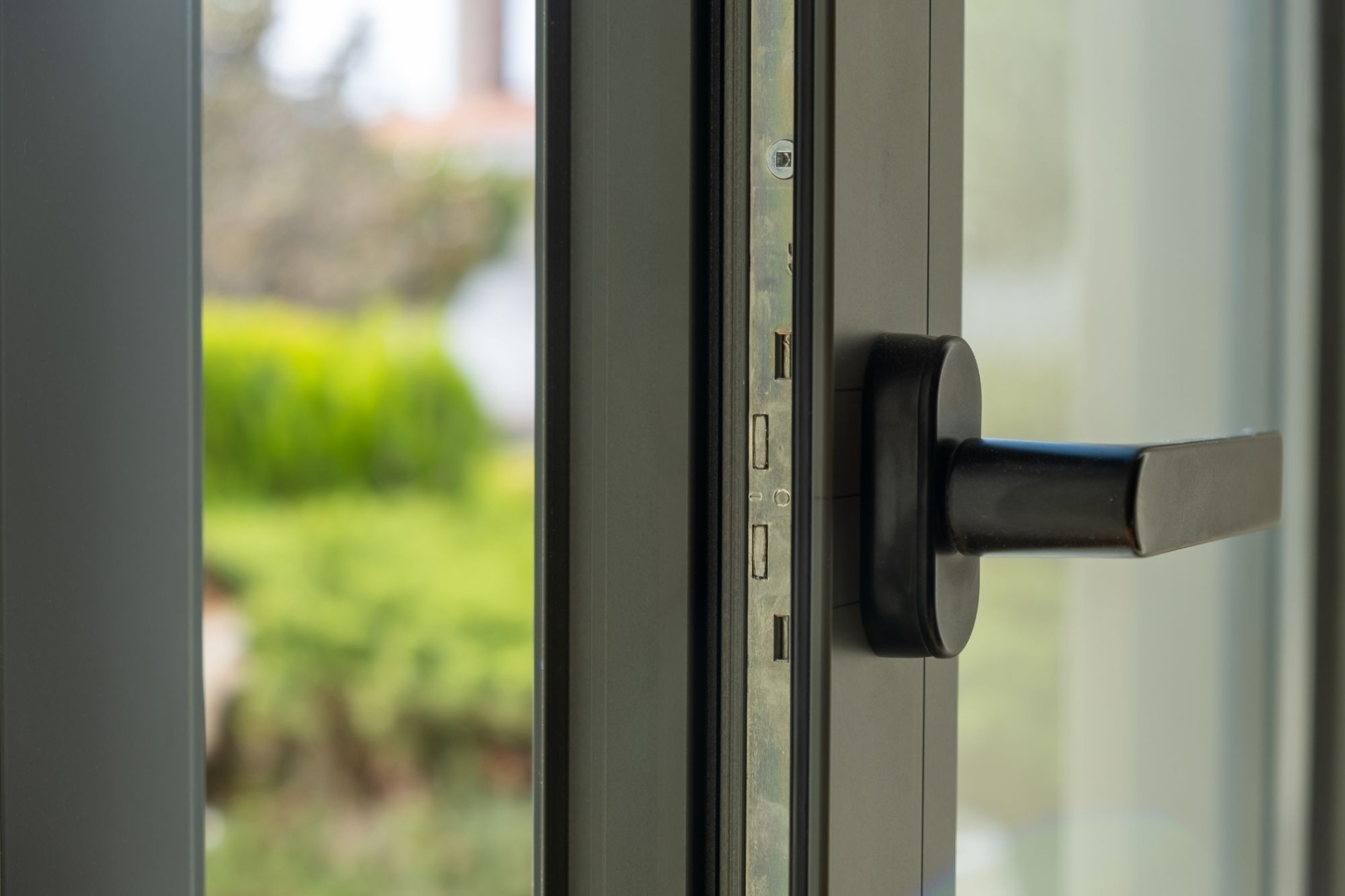
Modern features like micro-ventilation and tilt-and-turn openings allow for natural air exchange without compromising thermal insulation—a key feature in preventing humidity and mold.
A Smart Investment for Homeowners
Replacing your windows makes sense whenever existing ones no longer provide adequate thermal or acoustic protection, but also when you want to boost property value or refresh your home’s appearance. It’s a smart move to consider within a larger renovation plan to maximize both time and financial efficiency.
Choosing experienced professionals is essential to ensure a successful outcome. Every step, from material selection to installation, requires technical expertise. In areas like Ticino, turning to local specialists ensures compliance with Swiss energy-saving regulations and tailored advice.
Investing in new windows isn’t just about energy efficiency—it’s about improving your quality of life, increasing your property’s value, and contributing to a more sustainable future.
Read the other news:
- THE HOME MADE FOR ENTERTAINING: HOW HIGH-END LIVING SPACES ARE EVOLVING IN TICINO
- TICINO REAL ESTATE INDEX: UNDERSTANDING THE MARKET THROUGH DATA
- TWO VILLAS, ONE SIGNATURE: QUALITY
- FROM NORTHERN EUROPE (AND SOUTH AMERICA) TO LUGANO: WHY SUBSTANTIAL WEALTH IS CHOOSING THE CERESIO
- SUMMER IN LUGANO: A HOME BETWEEN THE LAKE, NATURE AND RELAXATION
- LIVING OUTDOOR SPACES: GARDENS, TERRACES AND OUTDOOR LIVING IN TICINO HOMES
- WHY MORE AND MORE ENTREPRENEURS ARE CHOOSING LUGANO TO LIVE AND INVEST
- SELLING YOUR HOME IN TICINO IN 2026: HOW TO MAXIMISE THE VALUE OF YOUR PROPERTY
- LUXURY HOMES IN TICINO: WHAT TRULY MAKES A PROPERTY PREMIUM
- GROWING ITALIAN INTEREST IN TICINO
- BUILDING A REAL ESTATE PORTFOLIO IN LUGANO: STRATEGIES FOR INVESTORS IN 2026
- BUY A HOME NOW OR WAIT? HOW TO READ THE TICINO REAL ESTATE MARKET